MAXOPS ADVENTURES Documentation ›
MaxOps & AI · Built for the assistants you already use

YOUR ASSISTANT,
ANSWERING FROM
EVIDENCE

MaxOps speaks the open Model Context Protocol. Connect the AI assistant your team already runs, and ask about your cloud spend in plain language — answered from findings MaxOps computed and verified, on your own machine, without a single line of your inventory leaving it.

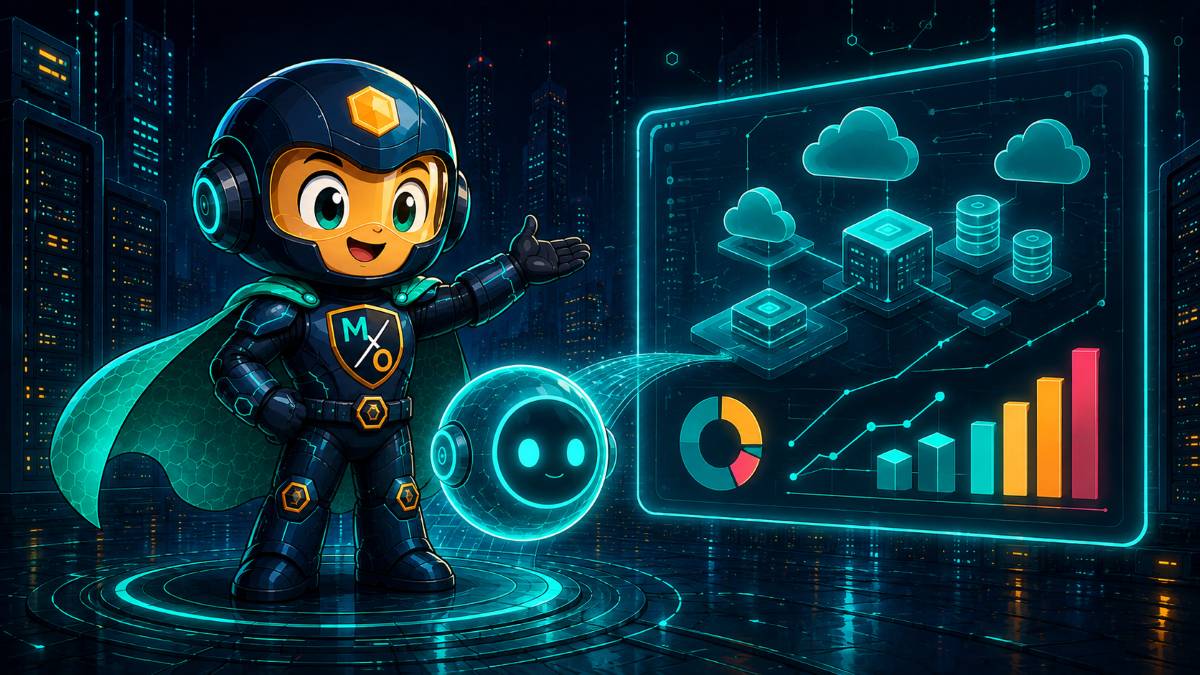
The Cost Sentinel and a glowing AI assistant orb studying a holographic cost dashboard together.
16tools exposed over an open protocol — no proprietary bot, no vendor lock-in
13of those are read-only. Writing requires a switch you set deliberately
0bytes of your cloud inventory uploaded anywhere by MaxOps

THE TWO WAYS THIS
USUALLY GOES WRONG

Failure one

A chatbot that guesses

A language model asked "what's wasteful in my account?" will produce a confident, well-formatted, plausible answer. Some of it will be invented — a saving that doesn't exist, an instance type that was never running, a percentage nobody measured.

Cost decisions get made from those numbers. That is a bad place to discover the model was improvising.

Failure two

Your inventory, uploaded

The alternative is usually a hosted service that ingests your infrastructure — resource names, tags, spend, topology — so that something in someone else's cloud can analyse it.

That is a real conversation with your security team, and often the point where an otherwise good tool stops being adoptable.

What we did instead

Separate the two jobs

MaxOps does the analysis. The assistant does the language. Findings are computed by deterministic checks in code, on your machine. The assistant reads results that already exist and explains them.

It is a smaller claim than "AI-powered FinOps", and a far more useful one.

GROUNDED,
NOT GENERATED

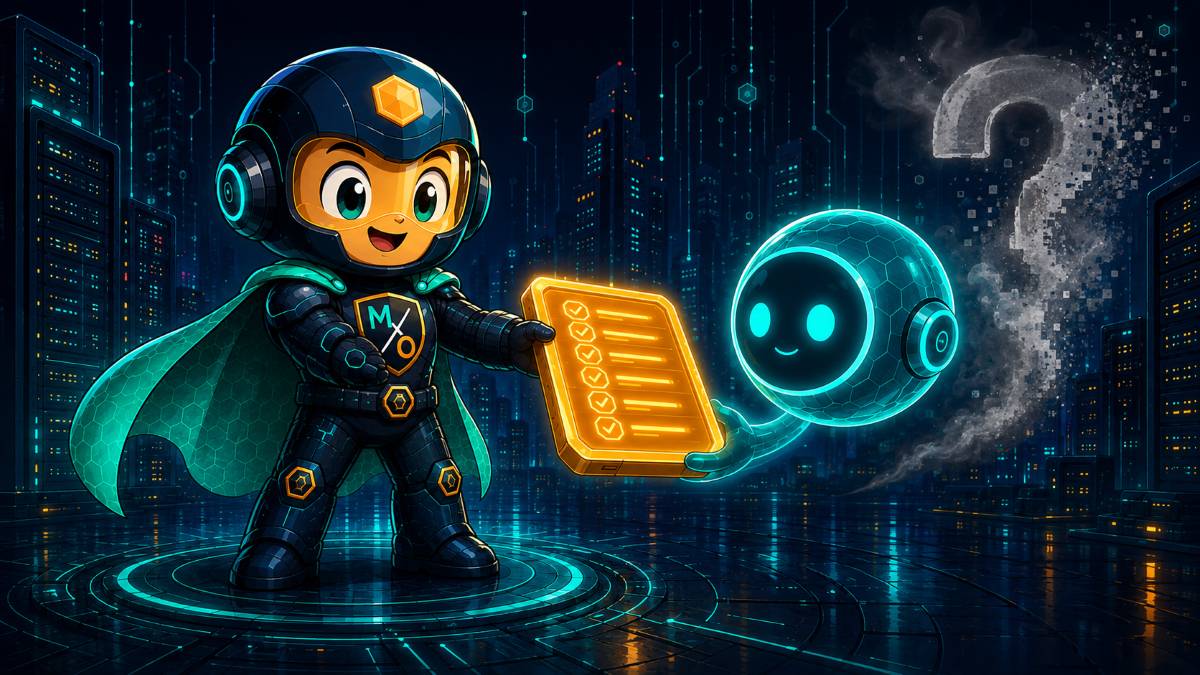
The Sentinel hands a solid glowing checklist to the assistant orb while a ghostly invented figure dissolves away.

Every number an assistant can reach through MaxOps was produced by a check — real code, run against your account, with a recorded reason. Nothing is estimated at conversation time.

The assistant is never asked "how much could we save?". It is asked "what did MaxOps find, and why?"

And the evidence travels with the answer. A rightsizing recommendation carries the peak utilisation that was measured, the observation windows behind it, the risks that were assessed, and up to 15 months of history — so an assistant can explain a recommendation, and you can overrule it, without either of you guessing.

When MaxOps could not measure something, it says so rather than filling the gap. An assistant reading that will tell you the same, because the honesty is in the data, not in the prompt.

AN OPEN PROTOCOL,
NOT A PROPRIETARY BOT

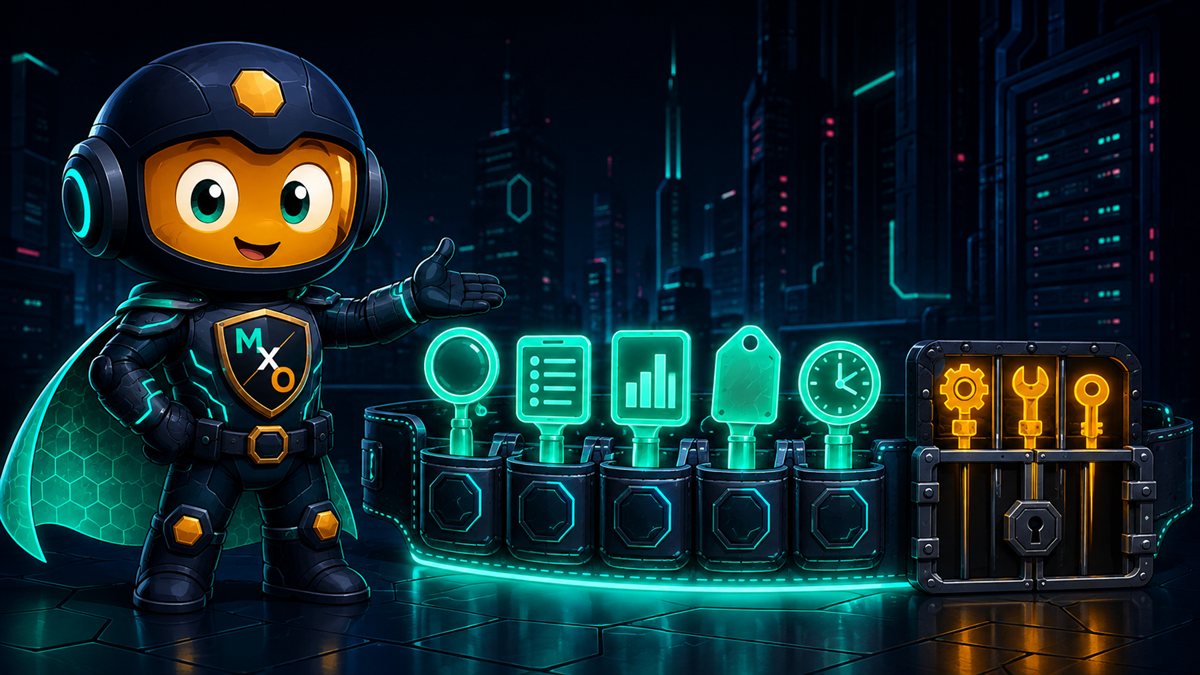
The Sentinel presents a glowing tool rack, most tools teal, three amber ones behind a small closed gate.

MaxOps ships no chatbot, no embedded model and no inference bill. It exposes its capabilities over the Model Context Protocol — the emerging open standard for connecting assistants to real systems — and lets you bring whichever assistant your organisation has already approved.

That matters for a strategy question nobody enjoys answering twice: what happens when you change AI vendors? Here, nothing. The bridge is a standard; the assistant is yours; swapping it changes no MaxOps configuration.

Sixteen tools and five standing views are on offer — inventory, findings, tag-level cost summaries, rightsizing recommendations and their evidence. An assistant can reach exactly those and nothing else. It cannot browse your account, invent a query, or reach past the surface it was given.

THREE ANSWERS YOUR
SECURITY REVIEW WILL ASK FOR

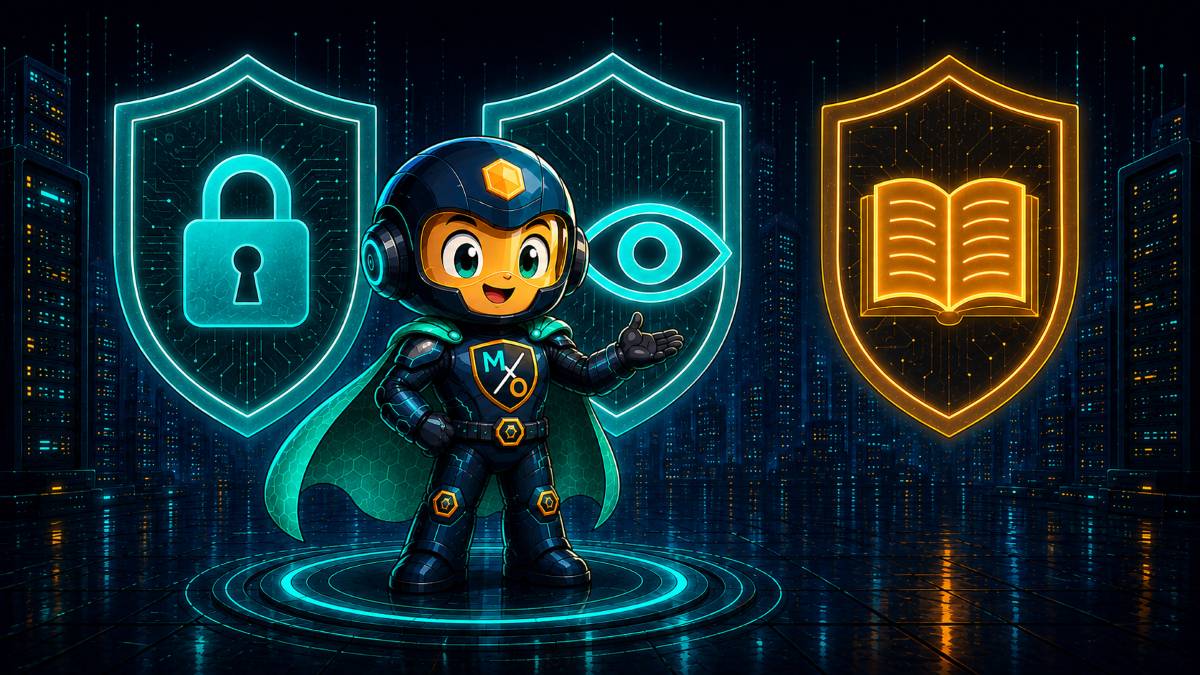
The Sentinel stands before three glowing shields bearing a padlock, an open eye and an open ledger.
Where does the data go

It stays on your machine

The bridge runs to localhost. MaxOps ships nothing anywhere, and the browser extension is permitted to reach localhost and 127.0.0.1 — not as a policy, but as a browser-enforced permission you can read in the manifest.

What can it change

Nothing, until you say so

Thirteen of the sixteen tools only read. The three that can act — snooze, un-snooze, run a check — refuse outright until MAXOPS_MCP_WRITE_ENABLED is set where the bridge is launched. The default is off, and the refusal names the exact switch.

Who did what

Assistants get no back door

An action taken through an assistant lands in the same audit ledger as one taken by hand — with the actor, the timestamp, and the values before and after. Removing a snooze requires a written reason whether a person or an assistant asks for it.

WHAT IT LOOKS LIKE
ON A TUESDAY

The questions that would otherwise mean three filters, an export and a spreadsheet.

"Which team's tag owns the most idle spend this month?" One question. Reads the tag cost summary MaxOps already computed.
"Why was this instance recommended for downsizing?" Returns the measured peak, the risks assessed, and the reasons behind the verdict.
"What did we snooze last quarter, and did anyone say why?" Reads the audit ledger — including the reasons written at the time.
"Anything unattached for more than a month in eu-west-1?" Filtered inventory, with the age that was actually observed.

WHAT WE DON'T CLAIM

Three things worth being straight about

MaxOps is not an agent. It does not plan, decide or act on its own. It is the grounded data layer an assistant reasons over — which is precisely why its answers can be trusted. If you want autonomous remediation, that is a different product and a different risk appetite.

Your assistant is still your assistant. MaxOps ships nothing anywhere, but whatever the assistant puts in its reply travels wherever that assistant normally sends conversations. The guarantee we can make is narrower than "nothing ever leaves" — and we would rather state the narrow one accurately than the broad one loosely.

Coverage is honest, not total. 103 checks across 31 resource types today. The documentation says plainly which parts of the product cover what — including where they don't yet.

BRING YOUR OWN ASSISTANT.

MaxOps is open source and runs locally. Connect it to the assistant you already trust, and start asking better questions about your own cloud.

Read Issue №5 — The Automation Layer All documentation GitHub maxops.dev